When I started spending time in a small Sicilian town with some regularity, I began to feel a great desire to work within the region. Rather than seek the tranquil opposite of my professional environment in Paris, I aimed to achieve the best of both worlds. How could I combine the benefits of a place that is close to nature, rich in tradition, and far from the metropolitan hustle and bustle with today’s global, technological possibilities?
Since the Industrial Revolution, the history of design has been marked by a constant negotiation between natural materials and artificial products, manufactured objects and industrial series, local manufacturing and globalized production. While early industrial products imitated the handmade look, over time the industry gained the confidence to embrace its own identity. Italian design of the 1980s—notably studies on surfaces, such as the ones conducted at the Domus Academy and implemented by the printed laminate manufacturer Abet Laminati—established a specific quality in industrial artifacts. Ettore Sottsass declared that a smooth, machine-made surface evoked an erotic sensation in him, while Memphis Group furniture, which celebrated the artificial quality of these laminates, made its way into bourgeois interiors. And as an artist (and former carpenter), Richard Artschwager, with his faux-wood and formica sculptures, questioned the very identity of furniture itself. Whether embracing the industrial or questioning it, the visible trace of the human hand has long been at issue.
While working in Sicily, I’ve felt this tension play out in my own process, along with a desire for authenticity that often accompanies rural and artisanal production. There are many reasons for turning away from alienated, globalized processes: preserving traditional techniques and materials, reducing one’s carbon footprint, supporting local artisans. But when engaging in more localized forms of production, designers often risk succumbing to a kind of naïve nostalgia, working less with the technology of the present and more through a romanticized vision of the past.
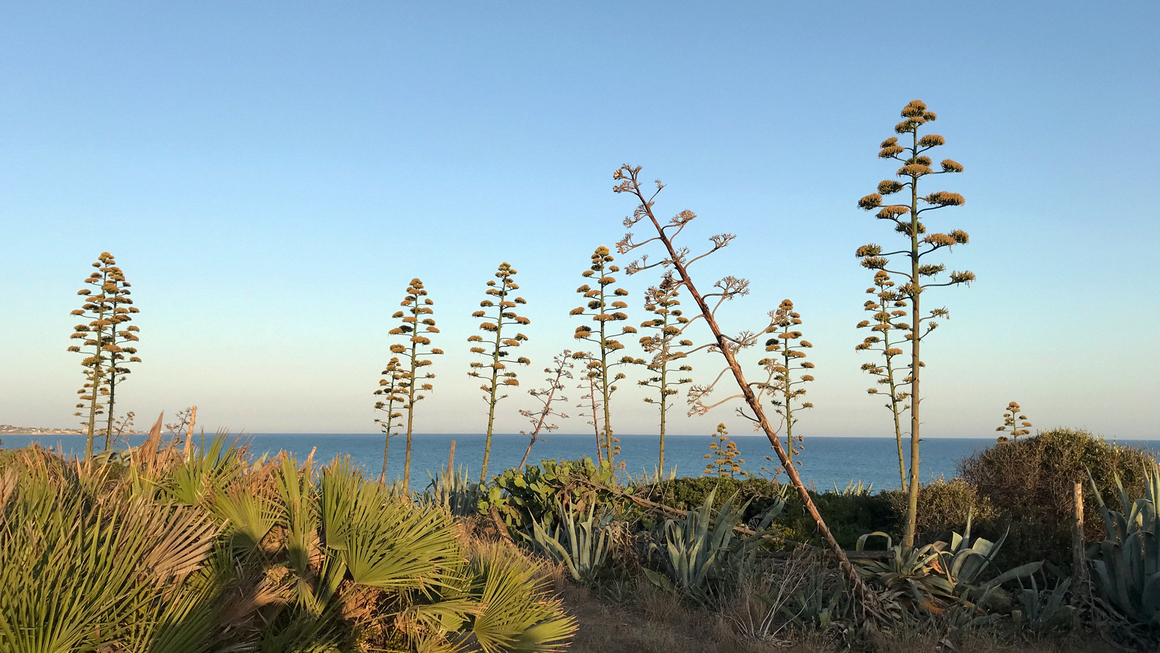
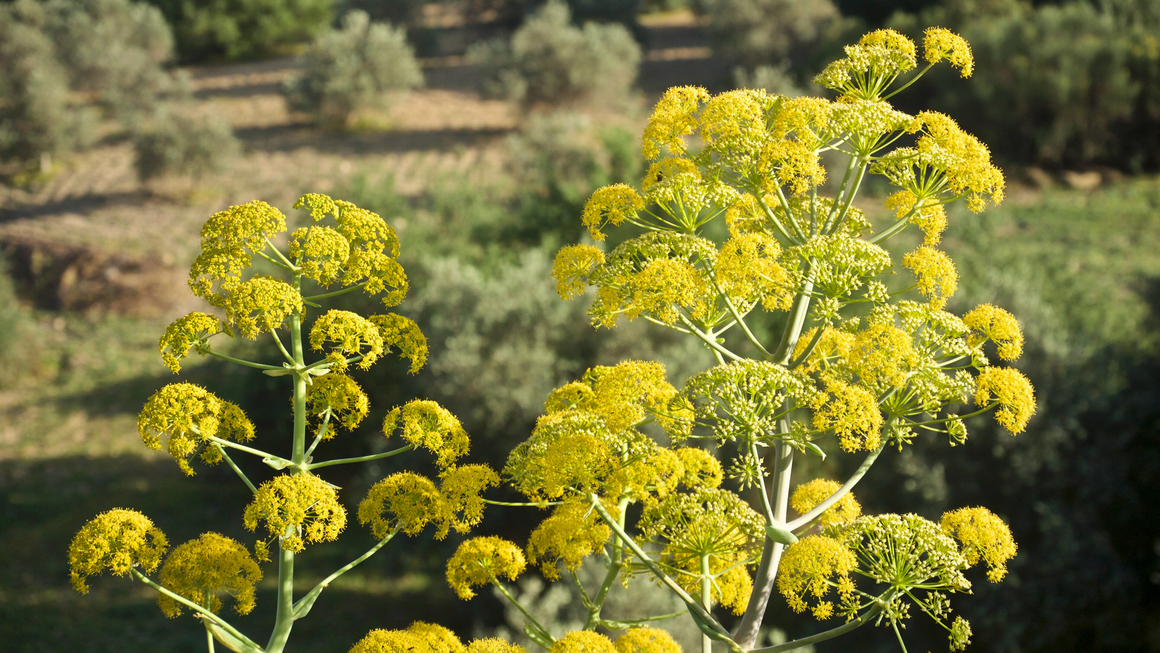
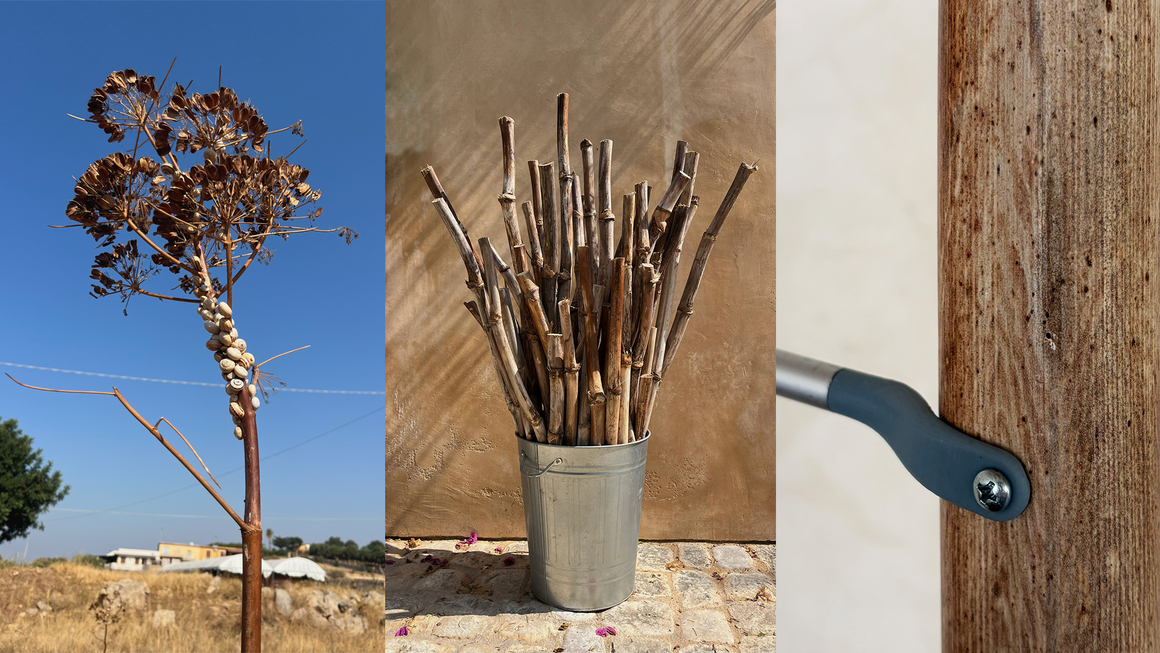
It’s been interesting to notice this dynamic in my own work, particularly through a project that involves a local, wild plant. Ferula communis is a tall plant with irregular stalks and flowering yellow umbels. It piqued my curiosity as I saw it proliferate and disappear from season to season across the Sicilian countryside. While today it is mostly considered a nuisance, I learned that in the past, its dried stems were used to make furniture.
The project started simply, with observing ferula in nature, then harvesting it and beginning to experiment. As I worked, I learned that ferula stubbornly resists transformation, but I was keen to take on the challenge. I quickly found, though, that local carpenters had never worked with the plant before. And why should they have? We live in an age where Amazon drones can reach even the most remote of regions, where particleboard tablets and 3-D printed objects are just as available as local wood. The work of local artisans increasingly relies on the very same materials and platforms that are available globally. The perhaps expected dynamic of a designer learning from the local craftsman has been upended as we’ve learned to work with ferula in tandem, adapting industrial and technological solutions to a natural material with all its inherent uncertainties.
Working with this plant has also changed my understanding of the region. Venturing into more remote areas to seek out ferula has helped me to experience the countryside beyond mere contemplation. I’ve become more attuned to the seasons, since harvesting must be done at a specific time, and have learned about the land’s complex demarcations, often shaped by abandoned plots. But most of all, this project has shifted my design process, reorienting my own expectations around the global and the local, industry, and craft, and showing me a new way of working locally that is equally shaped by technology, time, people, and place.
Robert Stadler is a mulidiscpilinary designer based between Paris, Naples, and Sicily.